
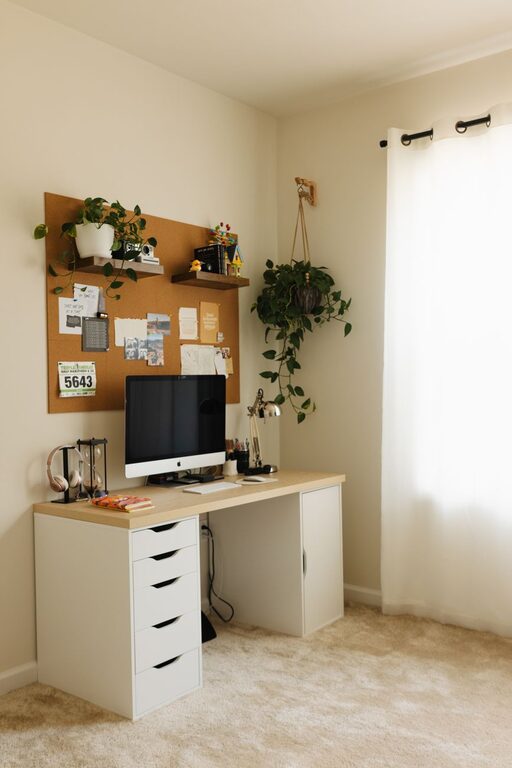
Creating a dedicated home workspace that supports productivity and comfort is essential for anyone working or studying from home. A well-organized space can help reduce distractions, improve focus, and make your workday more enjoyable. Whether you have a small nook or a full room available, these tips will guide you in setting up an effective home workspace tailored to your needs.
Choose the Right Location
Consider Natural Light and Quiet Areas
Select a spot in your home with plenty of natural light, as this helps boost mood and energy. A quiet area away from high-traffic zones reduces interruptions and background noise, enabling better concentration.
Evaluate Your Space Needs
Think about the amount of room you require for your tasks and equipment. If you work with multiple monitors, papers, or tools, make sure your desk area can comfortably accommodate everything.
Invest in Ergonomic Furniture
Comfortable Desk and Chair
Choose a desk at a proper height so your arms rest comfortably when typing, and select a chair that offers good support for your back. Ergonomic furniture reduces strain and helps maintain a healthy posture during long work hours.
Adjustable Equipment
If possible, use an adjustable chair and monitor stands to align your screen at eye level. Accessories like footrests or keyboard trays can add to your comfort.
Organize Your Desk Essentials
Keep Only What You Need
Avoid clutter by keeping only essential items on your desk. Store less frequently used items in drawers or shelves to maintain a tidy surface.
Use Organizers and Storage Solutions
Desk organizers, trays, and file holders help keep papers, stationery, and gadgets in order. Labeling storage containers can also make it easier to find items quickly.
Manage Cables and Technology
Tidy Up Wires
Use cable clips, sleeves, or ties to group and secure cables, preventing tangles and creating a cleaner look. This also minimizes trip hazards and accidental unplugging.
Invest in Reliable Tech
Ensure your computer, internet connection, and peripherals like printers and headphones are reliable and fit for your work tasks. Keeping technology updated prevents disruptions during your workday.
Create a Personalized Yet Professional Environment
Add Personal Touches
Incorporate elements like plants, artwork, or personal photos to make your workspace inviting without causing distractions. A pleasant environment can lift your spirits.
Maintain Minimalism
Avoid overcrowding your space with decorations or unnecessary items. A clean and simple workspace supports clear thinking.
Establish a Routine and Break Areas
Dedicated Work Hours
Set specific work times to establish boundaries and improve productivity. Having a clear start and end time prevents burnout.
Take Breaks and Move Around
Designate a spot away from your desk for breaks, if possible. Stretching or walking helps refresh your mind and body during the day.
Keep Your Workspace Clean Regularly
Daily Tidying
Spend a few minutes at the end of each day clearing your desk and organizing papers. This little effort helps maintain order and prepares you for the next day.
Deep Cleaning Weekly
Schedule a weekly clean to dust surfaces, sanitize your equipment, and reevaluate your organization system. A fresh environment aids focus.
Optimize Lighting and Temperature
Use Task Lighting
If natural light is limited, add a desk lamp that provides bright but soft light. This prevents eye strain during focused work.
Maintain Comfortable Temperature
Ensure the temperature is suitable for your comfort to prevent distractions from being too hot or cold.
Utilize Digital Organization Tools
Digital Calendars and To-Do Lists
Use apps and tools to keep track of deadlines, meetings, and tasks. Digital organization complements your physical setup and helps stay on schedule.
Cloud Storage
Keep your documents accessible and organized using cloud services, reducing physical paper clutter.
—
Setting up a productive home workspace involves thoughtful decisions about location, furniture, organization, and personal comfort. By implementing these tips, you can create an environment that enhances focus, reduces stress, and boosts your overall work efficiency. Remember, your workspace should work for you—not the other way around!