
Creating a productive home office environment is essential for anyone working remotely or managing tasks from home. A well-designed workspace can improve focus, reduce distractions, and increase overall efficiency. Whether you have a dedicated room or a small corner in your living space, applying practical tips can make your home office a place you enjoy working in. Here are some ideas to help you create a productive home office environment.
Choose the Right Location
Finding the best spot in your home for your office is the first step. Look for a quiet area that receives good natural light and has enough room for your desk and chair. A separate room or a nook that can be closed off helps reduce interruptions.
Consider Natural Light and Ventilation
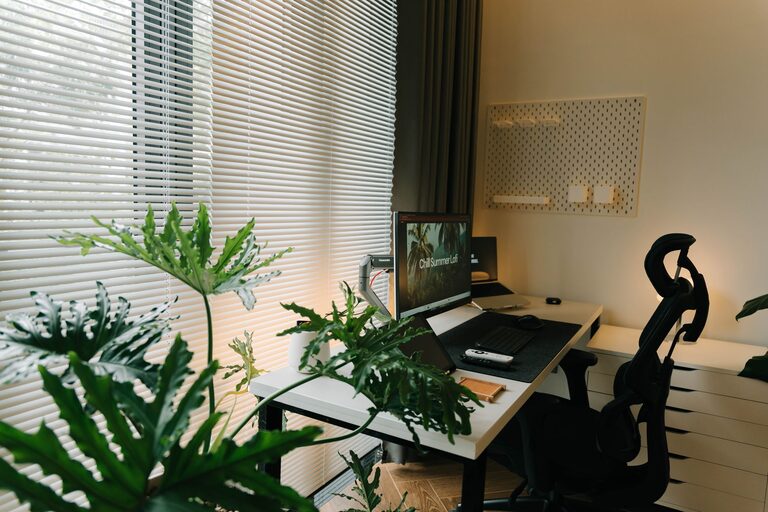
Good lighting is essential. Try to position your desk near a window to take advantage of natural sunlight, which can boost mood and focus. Avoid glare on your screen by placing your monitor perpendicular to windows. Additionally, fresh air helps you stay alert, so make sure your workspace is well-ventilated.
Invest in Ergonomic Furniture
Comfort is key to staying productive for long hours. Investing in ergonomic furniture helps prevent discomfort and strain.
– Chair: Choose an adjustable chair with good lumbar support.
– Desk: A desk at the right height reduces tension in your shoulders and wrists.
– Accessories: Consider a keyboard tray, footrest, and monitor stands to keep your posture healthy.
Organize Your Workspace
A cluttered desk can distract you and slow down your work. Keep your workspace tidy and organized with these tips:
– Use storage solutions like shelves, drawers, or filing cabinets.
– Keep only essential items on your desk.
– Utilize cable organizers to avoid tangled cords.
– Establish designated spots for stationery and equipment.
Minimize Distractions
Distractions at home can disrupt your flow. Find ways to reduce them so you can focus better.
– Turn off unnecessary notifications on your devices.
– Use noise-cancelling headphones or soft background music if noise is an issue.
– Communicate with family members or housemates about your working hours.
– Set clear boundaries between work time and personal time.
Create a Routine and Set Boundaries
Having a structured routine helps you maintain productivity and work-life balance.
– Set regular working hours.
– Start your day with a morning ritual, like a short walk or a coffee break.
– Take scheduled breaks to avoid burnout.
– Avoid working in bed or on the couch to keep your mind focused on work when at your desk.
Personalize Your Space
Adding personal touches makes your workspace inviting and inspiring.
– Decorate with plants to improve air quality and add a calming effect.
– Use artwork or photos that motivate you.
– Choose colors that help you feel calm and focused, such as soft blues or greens.
Use Technology Wisely
Leverage technology to streamline your work but avoid getting overwhelmed by it.
– Invest in a reliable internet connection.
– Use apps and tools for task management, calendar scheduling, and communication.
– Keep your devices updated and secure.
Maintain a Healthy Work Environment
Physical and mental health are important for productivity.
– Practice good posture throughout the day.
– Stretch or move briefly between tasks.
– Stay hydrated and eat healthy snacks.
– Consider standing desks or adjustable workstations to vary your position.
Review and Adjust Regularly
Your needs might change over time, so regularly assess your home office setup and productivity.
– Identify pain points or distractions.
– Update your furniture or equipment as needed.
– Experiment with new layouts or workflows.
—
Creating a productive home office doesn’t have to be complicated. By choosing the right space, organizing efficiently, minimizing distractions, and caring for your wellbeing, you can build a workspace that supports your best work every day. With these tips, your home office can become a comfortable, inspiring, and efficient place to get things done.